 Plate Dish
Kids' & Divided Plates
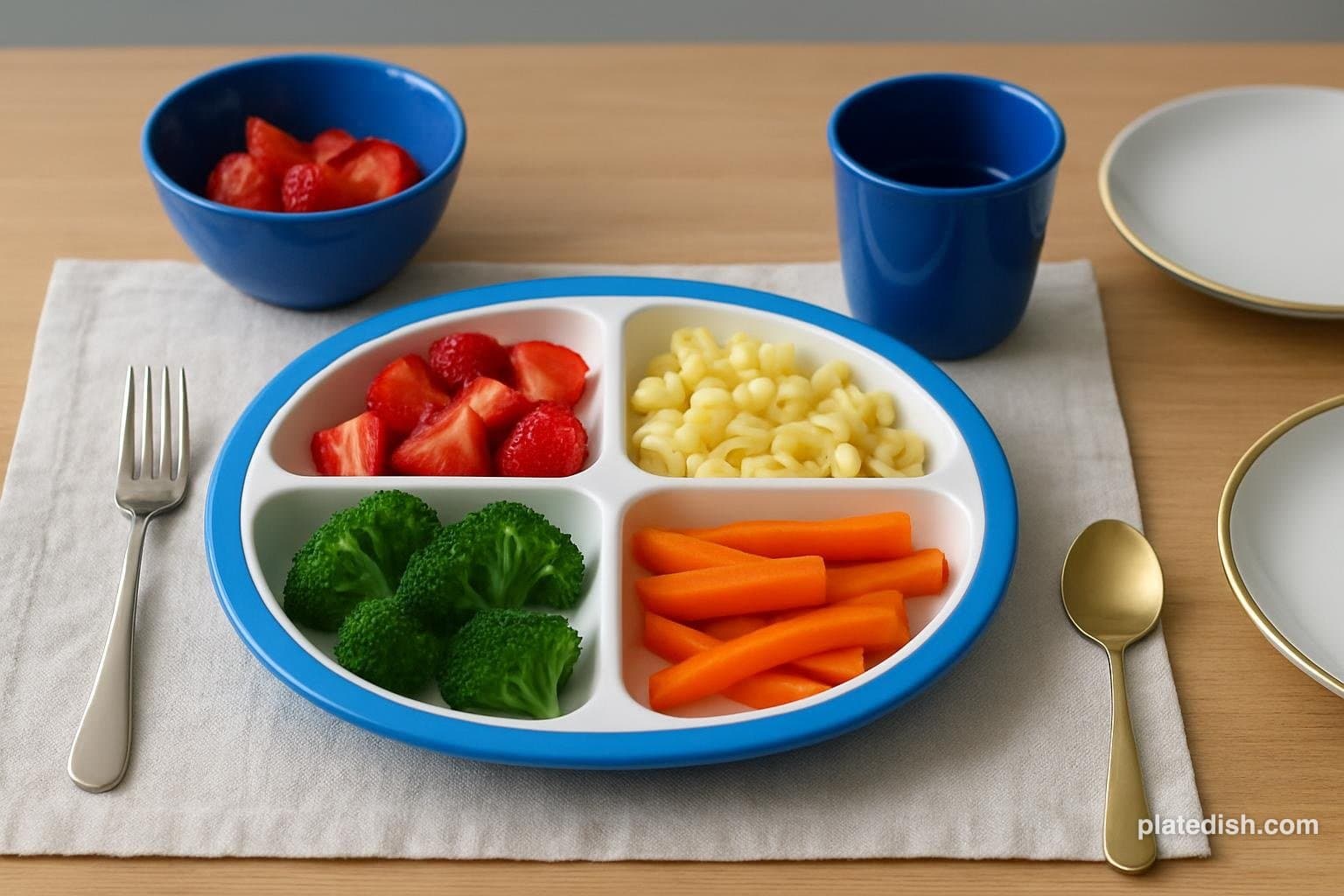
This category covers divided plates for toddlers and children, from practical plastic and suction styles to ceramic and character-themed designs. It’s for caregivers choosing plates that suit a child’s eating habits, and for anyone looking for a playful or distinctive table setting.
Recently Added
New


How to choose
Start with how the plate will be used: a toddler learning to eat may benefit from a stable base, while an older child may care more about portion sections or a favorite theme. Then compare material and care needs—plastic is often a practical everyday choice, while ceramic or porcelain can feel more like regular tableware but needs gentler handling. Check that the compartments fit the foods and portions you usually serve, and confirm the plate’s care instructions suit your routine. Browse children’s divided plates for the broad range, or compare ceramic divided dinner plates if a more traditional finish matters.
Key factors to consider
- •Number and shape of compartments
- •Plate size and portion space
- •Material and resistance to drops
- •Suction or nonslip base for younger eaters
- •Ease of cleaning and care instructions
- •Theme, color, and table-setting style
Common mistakes to avoid
- ✗Choosing compartments that are too small for the foods or portions served
- ✗Assuming a suction base will grip every table surface
- ✗Picking a delicate material for a child who often drops dishes
- ✗Overlooking cleaning and care instructions
- ✗Prioritizing a character design over everyday usability
Frequently asked questions
Are divided plates useful for older children too?
Yes. Older children may like keeping foods separate, and compartments can make it easier to serve a balanced range of items. Choose sections and overall plate size that suit their appetite rather than assuming divided plates are only for toddlers.
Should I choose plastic or ceramic?
Plastic is generally a practical pick when drops and easy everyday handling are concerns. Ceramic or porcelain offers a more traditional tableware feel, but may be less suited to rough handling; check care instructions before buying.
Do suction plates stay put on every table?
No. Suction works best on clean, smooth surfaces, and texture or seams can weaken the grip. Check the plate’s instructions and consider whether the child’s table or high-chair tray is compatible.
How many compartments should a children’s plate have?
There’s no single right number: choose based on how often you serve foods separately and how much room each portion needs. A simple layout may be easier for everyday meals, while more sections can help with varied snacks or lunches.
Are themed plates practical for daily meals?
They can be, if the material, size, and cleaning requirements fit your routine. For frequent use, prioritize durability and easy care alongside the design, and reserve more delicate plates for supervised meals or special occasions.
Quick buying guide
For toddlers, prioritize stability, manageable portions, and a base suited to the eating surface. For older children, focus on compartment size, material, and whether the plate feels right for everyday use. Choose plastic for practical handling or ceramic and porcelain for a more traditional look, checking care needs before deciding. Browse toddler divided plates for younger eaters or dinner plates with compartments for broader options.
Kids' & Divided Plates buying guides
- Childrens Divided Plates
- Corelle Divided Dinner Plates
- Fred Dinner Winner Plate
- Plastic Compartment Plates
- Ceramic Divided Dinner Plates
- Tupperware Divided Plate
- Dinner Plates With Compartments
- Wedgwood Peter Rabbit Plate
- Tupperware Snack Plates
- Bunnykins Plate
- Toddler Divided Plates
- Ezpz Plate