 Plate Dish
China & Porcelain
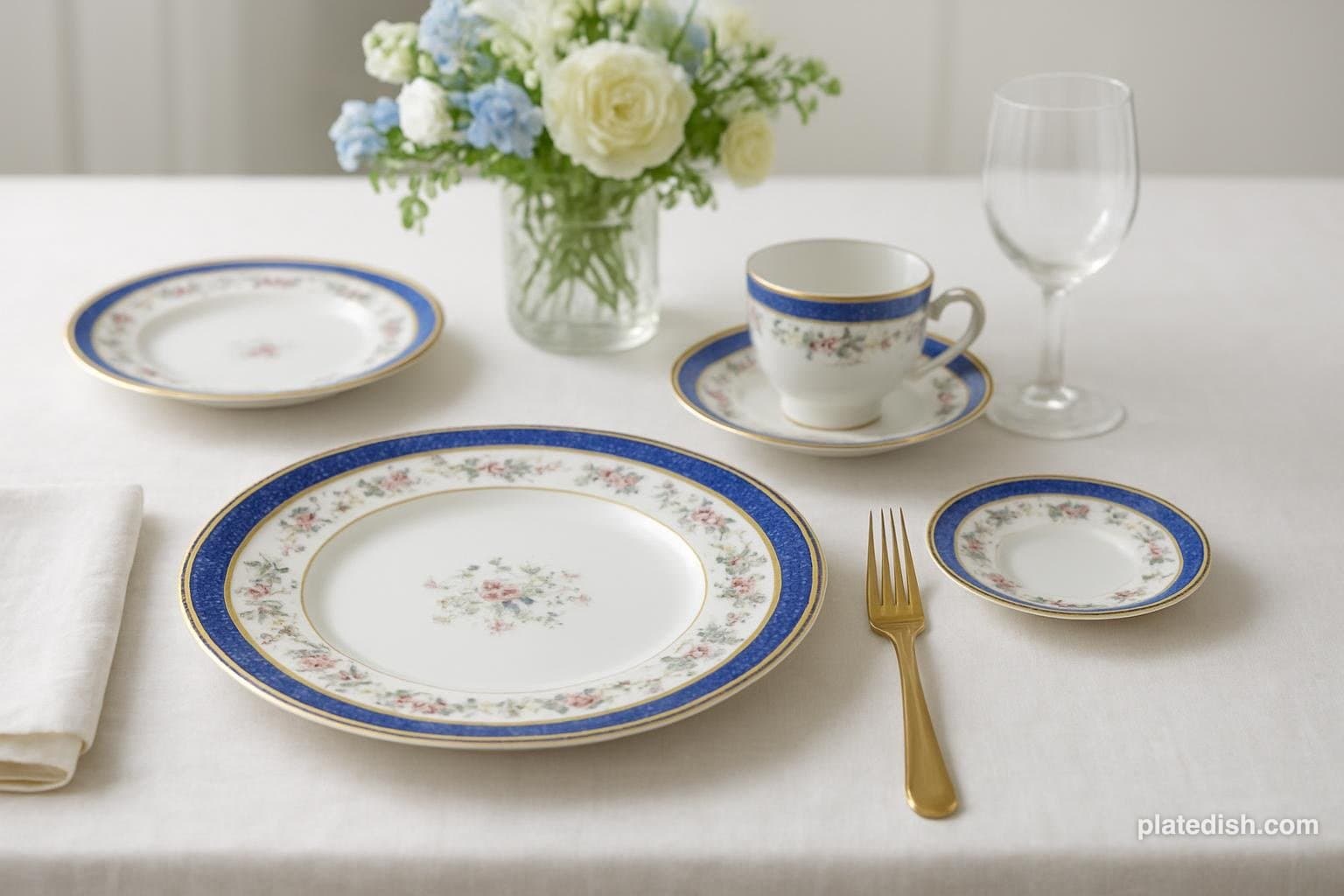
This category covers china and porcelain plates, from everyday dinnerware and café service to decorative, antique, and occasion pieces. It’s for anyone choosing plates by pattern, shape, or finish and weighing how they’ll look on the table against how they’ll hold up in use.
Recently Added
New


How to choose
Start with the job: plates for regular café service need to be easy to handle, stack, and care for, while special-event or display pieces can put pattern and presentation first. Check plate diameter and shape against your menu and storage space, then compare the finish and pattern with the table setting or pieces you already own. For a coordinated set, look at options such as Wedgwood china plates; for a smaller course, consider dessert plates. Before buying, check care instructions and inspect secondhand plates for chips, cracks, and wear.
Key factors to consider
- •Dinner, dessert, or appetizer plate size
- •Round or square shape and usable surface area
- •Pattern, color, and finish
- •Care instructions for washing and heating
- •Stacking, storage, and handling needs
- •Condition and pattern match for existing pieces
Common mistakes to avoid
- ✗Choosing a plate size without checking cupboard or service storage
- ✗Prioritizing an attractive pattern over practical care requirements
- ✗Assuming pieces with similar colors will match in person
- ✗Buying antique plates without checking for chips, cracks, or surface wear
Frequently asked questions
How do I choose plates for a café or frequent service?
Look for a size and shape that suit the dishes you serve, stack neatly, and fit your washing and storage routine. Confirm care guidance and inspect the rims and surfaces, since chips or cracks can make plates unsuitable for continued service.
Can I mix different china patterns at a party or event?
Yes. A shared color, similar border, or consistent plate shape can make different patterns feel intentional; try the pieces together before setting the whole table.
What should I check when buying antique plates?
Check each plate for chips, cracks, repairs, staining, and fine surface lines, and compare its pattern and markings with the pieces you want to match. If you need a full set, account for the possibility that exact matches may take time to find.
Should I replace a chipped or cracked china plate?
A cracked plate is generally better set aside for serving, while a small chip may still pose a snag or handling concern. For a coordinated collection, look for a replacement in the same pattern and size, but compare it in person when possible because age and use can affect its appearance.
Quick buying guide
Choose by use first: café service, everyday meals, entertaining, or display. Match the plate size and shape to the food and your storage, then weigh the pattern against care needs and durability. For older or collected pieces, inspect condition and verify that replacements will coordinate.
China & Porcelain buying guides
- Wedgewood Blue Plates
- Schumann Bavaria Plate
- Lenox China Plates
- Gibson China Plates
- Noritake China Plates
- Antique Wedgwood Plates
- Copeland Spode Plates
- Wedgwood China Plates
- Schumann Plates
- Dinner Plate Chinaware
- Alfred Meakin Plates
- Shenango China Plates
All 40 guides
- Rosanna Dessert Plates
- Syracuse China Plates
- Revol Plates
- Hutschenreuther Plate
- Bernardaud Plates
- Nikko Plates
- Raymond Waites Plates
- Oliver Appetizer Plates
- Kotobuki Plates
- Square Porcelain Plates
- Lenox Dessert Plates
- Richard Ginori Plates
- Bia Cordon Bleu Plates
- Pillivuyt Plates
- Cac China Plates
- Hand Painted Porcelain Plates
- Jingdezhen Porcelain Plates
- Lenox Autumn Dinner Plate
- Villeroy And Boch Plates
- Danish Blue Plates
- American Atelier Plates
- Portmeirion Plates
- German Porcelain Plates
- Ginori Plates
- Herend Plates
- Aynsley Plates
- Spode Plates
- Wedgwood Plates