 Plate Dish
Collector & Holiday Plates
This category covers holiday, commemorative, vintage-patterned and decorative plates, from pieces for a festive table to plates collected primarily for display. Come here to compare styles and materials, or start with Christmas plate guides and vintage Corelle plates if you already have a theme in mind.
Recently Added
New


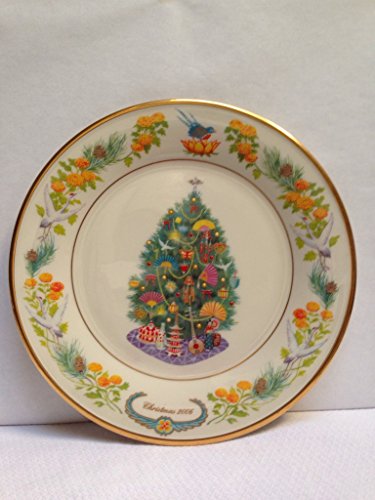


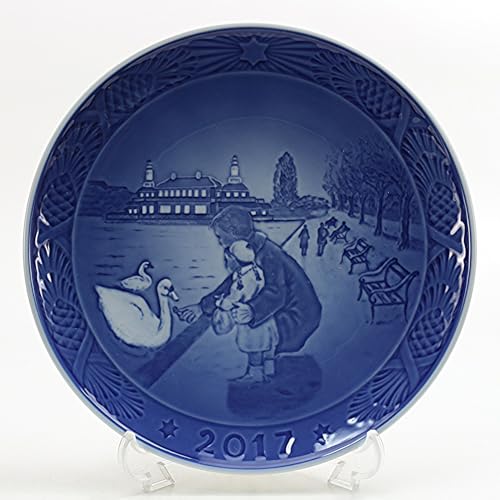

How to choose
First decide whether the plate needs to serve food or will be displayed: that affects which materials, finishes and care instructions suit you. Then compare the design and format—an individual decorative piece, a coordinated set, or a plate tied to a holiday or occasion. For older or collectible plates, inspect for chips, cracks, crazing, worn decoration and signs of repair, and check whether the maker’s mark and pattern match what you want. If buying multiple plates, confirm they belong to the same pattern and are in similar condition rather than assuming the listing represents a complete set.
Key factors to consider
- •Intended use: serving, display, or both
- •Material and care instructions
- •Chips, cracks, crazing, repairs, and decoration wear
- •Maker’s mark, pattern, and edition details
- •Single plate or matching set
- •Size, shape, and fit with your display or table
Common mistakes to avoid
- ✗Assuming a decorative or collectible plate is safe for serving food
- ✗Choosing from a photo without checking the rim, back, and surface for damage
- ✗Mixing plates that look similar but have different patterns or finishes
- ✗Treating a commemorative or annual design as a guarantee of future value
- ✗Ignoring care instructions that may rule out dishwashers or everyday use
Frequently asked questions
How can I tell if a plate is meant for display or everyday use?
Check the maker’s care guidance and any markings, and look for information about its intended use. If that is unclear, treat an older, decorated, or commemorative plate as display-only until you can confirm it is suitable for food and routine washing.
What should I check when buying a vintage or collectible plate?
Look closely at the front, rim, and back for chips, cracks, crazing, scratches, repairs, and worn decoration. Confirm the maker’s mark and pattern, and ask for clear photos if the condition or identity is uncertain.
Is it better to buy one plate or a matching group?
A single plate can work well as a display piece or an accent at a themed table. For serving or a coordinated arrangement, check that the pieces share the same pattern, size, and finish, and confirm exactly how many are included.
Can I use a collector plate for food?
Not always; some plates are made or marketed mainly for display, and decorative finishes or age can affect how they should be used and cleaned. Follow the maker’s guidance, and don’t serve food on a plate if its food-safety suitability is uncertain.
How should I care for an older decorative plate?
Use the care instructions for its material and finish, and avoid abrasive cleaning that could wear decoration or glaze. Handle it carefully, and store it so plates do not rub or stack directly against one another.
Quick buying guide
Choose first between a plate for display and one you’ll use at the table, then narrow the options by design, material, and care needs. For vintage or collectible pieces, verify the pattern and inspect condition closely. If you want a coordinated group, confirm the quantity and matching details before buying.
Collector & Holiday Plates buying guides
- Christopher Radko Christmas Plates
- Vintage Corelle Plates
- Wedgwood Jasperware Plate
- Lenox Annual Christmas Plates
- Mickey Mouse Christmas Plates
- Royal Doulton Christmas Plates
- Hallmark Christmas Plates
- Waechtersbach Christmas Plates
- Pfaltzgraff Christmas Plates
- Lenox Collector Plates
- Wedgwood Christmas Plates
- Chinese Decorative Plates
All 39 guides
- Wedgwood Collector Plates
- Lenox Seder Plate
- Grasslands Road Plates
- Brambly Hedge Plates
- Clarice Cliff Plates
- Lenox Wedding Plate
- Rooster Decorative Plates
- Decoupage Plates
- Lenox Holiday Salad Plate
- Corelle Christmas Plates
- Franciscan Apple Plates
- Lenox Bird Plates
- Campbell Soup Plates
- Debbie Mumm Plates
- Sandra Kuck Plates
- Johnson Brothers Turkey Plates
- Nathalie Lete Plates
- Gibson Christmas Plates
- Nikko Christmastime Plates
- Fiestaware Christmas Plates
- Spode Christmas Tree Plate
- Edna Hibel Plates
- Demdaco Plates
- Mz Austria Plate
- Bing And Grondahl Plates
- Winterberry Plates
- Christmas Plates